Fishing Season: ALL YEAR

Greater Chesapeake Bay & Tributaries - MD

Fishing Outlook & Conditions

Inshore Temp:

70

Offshore Temp:

69

Rock On Charter Fishing's Tip of the Week

Striped bass are feeding aggressively throughout the Maryland sector of the Greater Chesapeake Bay, with fish ranging 21–30 inches and frequently shadowing large schools of menhaden. When birds are working, floating lines remain highly effective — especially if you eliminate slack immediately and drive the fly with crisp 1–2 foot strips. Bluefish up to 30 inches are mixed in and responding well to fast, erratic presentations near the surface. Spanish mackerel continue to favor speed; a double‑handed, high‑velocity retrieve keeps the fly just under the surface and triggers quick strikes. Sea trout are showing in scattered lower‑Bay structure and respond best to subtle presentations during low‑light periods. Redfish have mostly moved out of the area.

Directions open in app

Map of Greater Chesapeake Bay & Tributaries

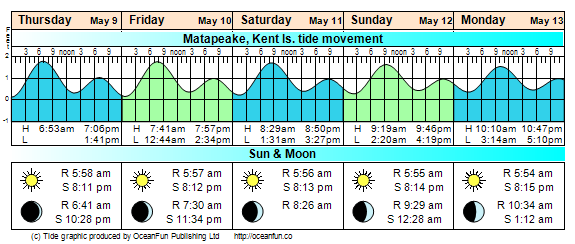
Tide data

Tidal Conditions

5-Day Outlook as of 9/22/26

Expect a strong mixed‑species week across the mid‑ and lower‑Bay. Stable weather and abundant menhaden should keep stripers and bluefish active from just under topwater down to 30 feet. Spanish mackerel will remain present as long as temperatures hold near 69–70°F, especially along tide rips and current seams. Sea trout activity should improve during dawn and dusk windows. With redfish largely departed, the primary focus will be stripers, bluefish, mackerel, and trout. Overall conditions remain good, with consistent opportunities across the water column.

Techniques & Tips as of 9/22/26

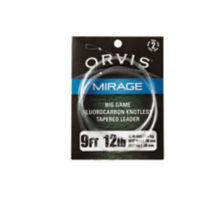
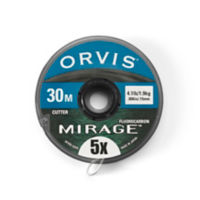
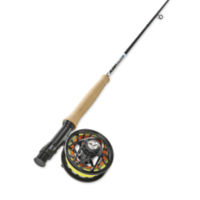
Topwater feeds call for floating fly lines paired with 9‑foot, 20‑lb fluorocarbon leaders and Blados Crease or Mylar Popping flies. Keep the rod tip low, remove slack instantly, and work the fly with sharp 1–2 foot strips. Bluefish respond well to the same setup, especially when the retrieve is fast and erratic. For Spanish mackerel, speed is essential — a Cowen’s Silverside fished just under the surface with a double‑handed retrieve is highly productive. When fish hold deeper, switch to sinking lines with short 20‑lb leaders and 3” Clouser Minnows; count the fly down to the target depth and retrieve with swift, direct strips. Sea trout favor slower, more controlled presentations along structure.

Current Conditions as of 9/22/26

Fishing conditions remain good across the Maryland sector of the Chesapeake Bay. Striped bass in the 21–30 inch class are holding around menhaden schools and shifting through the water column from just under topwater down to 30 feet. Bluefish up to 30 inches continue to mix in, especially along tide rips and current seams. Spanish mackerel remain active as long as temperatures stay near 69–70°F, responding best to high‑speed retrieves. Sea trout are showing in scattered lower‑Bay structure and should improve during dawn and dusk periods. With redfish mostly moved out of the area, the primary focus this week will be stripers, bluefish, mackerel, and trout. Expect steady action with both floating and sinking lines depending on depth and bait concentration.

Local Species Available ALL YEAR

  • Fish Icon

    Striped Bass

  • Fish Icon

    Sea Trout

  • Fish Icon

    Redfish (seasonal)

  • Fish Icon

    Cobia (seasonal)

  • Fish Icon

    Bluefish

  • Fish Icon

    Spanish Mackerel

Rock On Charter Fishing's Recommended Fly Patterns

"Must-have" fly fishing patterns in descending order of importance:

Name: Colors: Size(s):
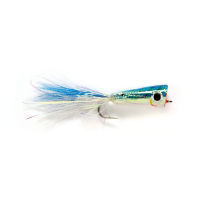
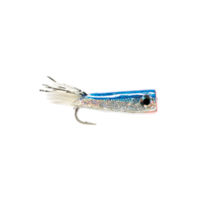
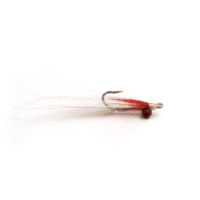
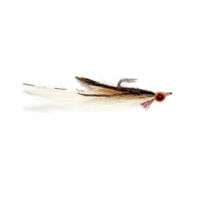
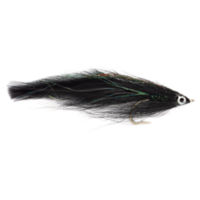
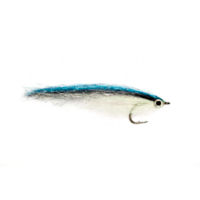
Mylar Popper BLUE/WHITE 2/0 Hook
Blados Crease Fly OLIVE/PEARL 3/0 Hook
Clouser Minnow YELLOW 2/0 Hook
Half N Half TAN/WHITE 2/0 Hook
Lefty’s Deceiver CHARTREUSE 2/0Hook
Burk’s Hot Flash Minnow ANCHOVY 1/0 Hook

Mylar Popper

Make a splash and land a winner with this colorful popper fly.

Rock On Charter Fishing's Recommended Gear

Description: About Greater Chesapeake Bay & Tributaries

The Greater Chesapeake Bay offers year‑round access to striped bass, the primary species throughout the Maryland sector. Spotted sea trout are found mainly in the lower Bay from April–November, holding around deeper structure and current seams. Bluefish/Spanish Mackerel getting the hottest June-October or when water temps start dropping. Redfish enter the lower Bay from August–November, though their presence varies seasonally. Cobia migrate into the lower Bay from June–December, favoring warm water and open flats.

Nearest Airport:

Baltimore-Washington International Thurgood Marshall Airport

Bait Recommendations:

Menhaden, Spot, Perch, Eels, Crabs and Blood worms